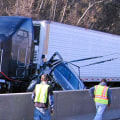
Truck accident claims often involve issues that extend well beyond the rules governing ordinary passenger vehicle collisions. Commercial trucking is a highly regulated industry with safety requirements that influence nearly every aspect of vehicle operation, driver qualifications, maintenance practices, cargo securement, and recordkeeping. These established industry standards provide an important framework for evaluating whether trucking companies, drivers, or other involved parties fulfilled their legal responsibilities before a collision occurred. A law firm handling truck accident claims carefully reviews these standards alongside the facts of the case to determine whether failures in compliance may have contributed to the incident. Rather than relying solely on witness accounts or police reports, attorneys compare available evidence with accepted operational practices, inspection procedures, maintenance schedules, and transportation regulations. This detailed analysis helps identify potential safety violations while providing a clearer understanding of how the accident may have occurred. Because truck accident cases often involve multiple parties and technical evidence, industry standards serve as valuable reference points that help organize complex facts into a logical legal framework.
Evaluating Compliance Through Thorough Investigation
A comprehensive truck accident investigation requires attorneys to collect and examine a wide range of documents and evidence that reveal how the commercial vehicle was operated before the collision. Driver qualification files, electronic logging device records, maintenance reports, inspection histories, dispatch communications, cargo documentation, and onboard event data recorders may each provide insight into whether established industry practices were followed. Attorneys frequently work with accident reconstruction specialists, engineers, transportation experts, and mechanical inspectors who can interpret technical findings and explain whether specific actions were consistent with accepted commercial transportation standards. They also review hours-of-service compliance, vehicle inspection procedures, brake maintenance, tire condition, cargo loading practices, and driver training records to determine whether preventable risks existed before the accident occurred. In situations involving commercial fleets, investigators may evaluate company safety policies, supervision practices, hiring procedures, and compliance with applicable transportation regulations to identify broader operational issues that may have contributed to the collision. Firms such as Rudolf, Smith, Griffis & Ruggieri, LLP recognize that a detailed understanding of industry standards strengthens the investigative process by allowing attorneys to compare documented practices with recognized safety expectations while building a more comprehensive understanding of potential liability.
Applying Industry Standards to Build a Stronger Claim
After gathering the relevant evidence, attorneys use industry standards to organize the facts into a clear and persuasive legal strategy. Demonstrating that accepted safety practices were not followed can help explain how certain decisions, maintenance deficiencies, or operational failures contributed to the accident. Expert witnesses often play an important role by interpreting technical records and presenting complex transportation issues in a manner that judges, juries, insurance adjusters, and opposing counsel can understand. Attorneys may also compare inspection records, maintenance schedules, driver logs, and company policies with recognized industry expectations to identify patterns of noncompliance that strengthen the overall claim. Throughout settlement negotiations or courtroom proceedings, this objective framework helps shift the discussion from speculation to documented evidence supported by established commercial practices. Insurance companies and commercial carriers frequently conduct extensive investigations of their own, making careful preparation and detailed documentation especially valuable. Every truck accident case presents unique facts, requiring individualized analysis rather than generalized assumptions about fault. By combining comprehensive investigation, technical expertise, careful review of industry standards, and strategic legal advocacy, a law firm develops stronger truck accident claims that are supported by reliable evidence and professional analysis. This methodical approach helps ensure that liability is evaluated fairly while providing injured individuals with well-prepared legal representation capable of addressing the complexities commonly associated with commercial trucking litigation.